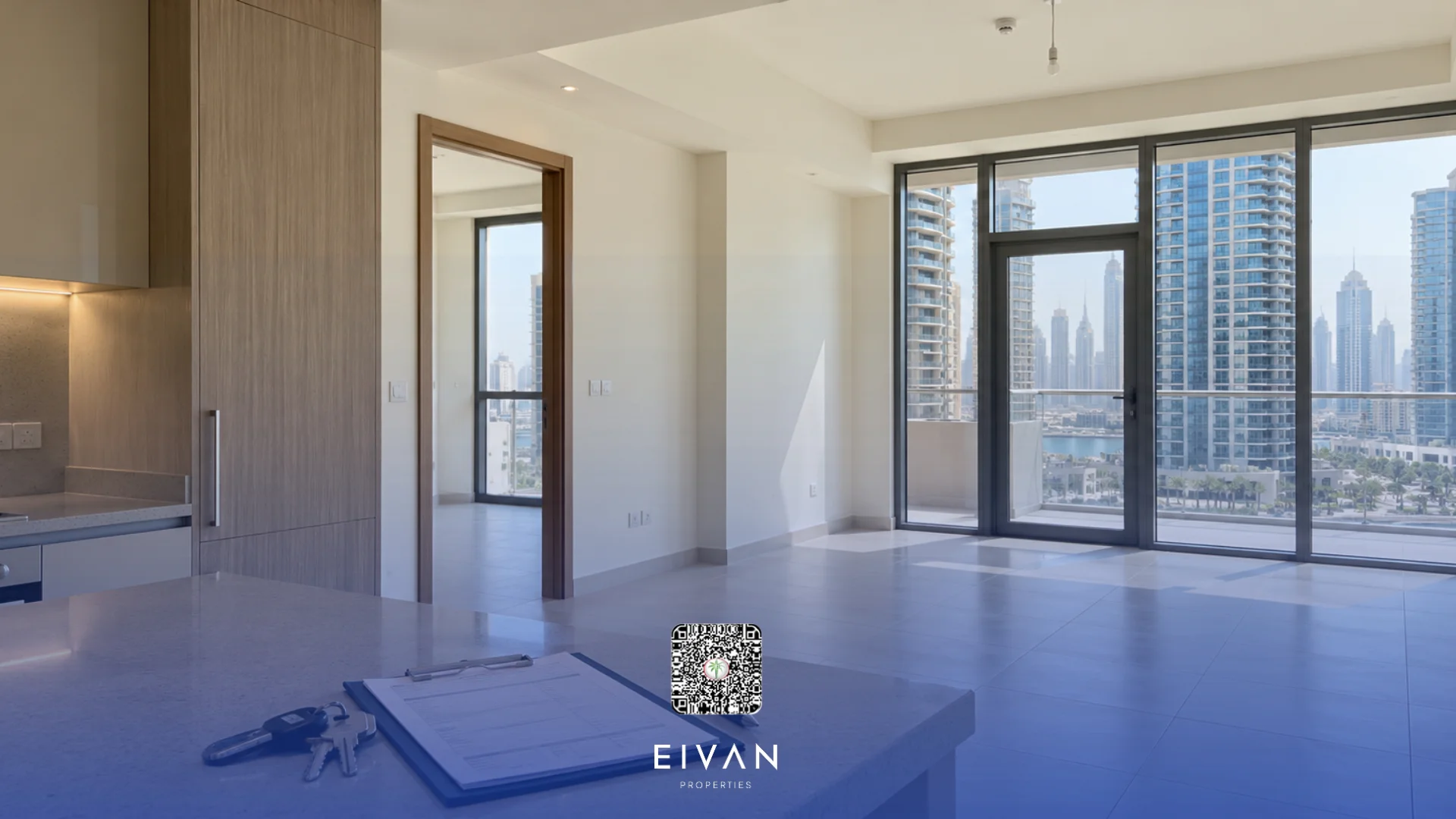
Dubai property handover checklist: the main steps
This Dubai property handover checklist helps you prepare before collecting your keys. Inspect your home, record faults, check your documents and set up utilities. Then plan your costs before moving in or renting out the property.
Read the handover notice and your purchase contract.
Check your payment statement.
Inspect each room and record faults.
Send the developer your list of issues.
Keep your ownership records safe.
Set up utilities and building access.
Plan your first year of costs.
Each project has its own process. Check the developer’s written instructions and your contract before the appointment.
Prepare your documents
Keep your papers in one folder. Save a digital copy so you can find them when needed.
Your handover documents may include:
Your passport or Emirates ID, as required.
The sale and purchase agreement, also called the SPA.
Any changes to the contract.
Payment receipts and your latest statement.
Your Oqood certificate for an off plan purchase.
The developer’s handover notice.
Inspection reports and photos.
Warranties and manuals supplied with the home.
Your title deed once issued.
Ask which documents you must bring. Also confirm any payments due under your contract.
If someone will attend for you, ask what proof of authority the developer needs.
Inspect the home room by room
Property snagging means checking a home for faults or unfinished work. A snag list is the written record of those issues.
Take your time. Open doors, check taps and test fittings where it is safe to do so.
Walls, floors and ceilings
Look for cracks, stains, damp patches and damaged paint. Check tiles for chips, gaps and uneven areas.
Take a wide photo to show the location. Then take a close photo of the fault.
Doors, windows and cabinets
Open and close each door and window. Check locks, handles and seals.
Make sure drawers move well. Look for loose hinges, damaged shelves and gaps around fitted cabinets.
Water and drainage
Run taps where the water supply is active. Check under sinks for leaks.
Flush toilets and test showers. Watch whether water drains well and report any leaks or bad smells.
Lights, sockets and cooling
Check lights and switches where power is available. Ask a qualified inspector to carry out any specialist electrical tests.
Run the air conditioning where possible. Check airflow, cooling and unusual noise.
Do not open electrical panels or carry out unsafe tests yourself.
Outdoor and shared areas
For an apartment, check the balcony, parking space and building access.
For a villa or townhouse, add these checks:
Outdoor walls and paint.
Paths and paving.
Garden taps and irrigation, where fitted.
Outdoor drains.
Gates and boundary walls.
Service areas.
Note any areas you could not inspect. Ask when you can return to check them.
Record faults and check repairs
Give each fault a number. Note the room, location and problem.
For example:
“Bedroom 1: the window does not close fully. See photos 4 and 5.”
Send your snag list through the developer’s stated channel. Keep proof that they received it.
Ask for the next steps and any agreed repair dates in writing. Do not assume all developers use the same repair period.
Once work is complete, check the home again where possible. Test each repaired item.
For example, run a repaired tap and check for leaks. A photo alone may not show whether the repair works.
Keep open issues on your list until you have checked them.
Check Oqood and title deed records
An Oqood certificate and a title deed serve different purposes.
Document | What it records |
|---|---|
Oqood certificate | An off plan sale in the provisional register |
Title deed | Registered ownership of the completed property |
Dubai Land Department, or DLD, issues a provisional registration e-certificate through its initial sale service.
Ask the developer about the title deed process for your unit. Keep the document once issued.
You can then use DLD’s Verify Title Deed service to check it. The service is available through DLD’s website and Dubai REST.
These checks support your records. They do not replace the home inspection or your purchase contract.
Set up water, power and building access
Check how to activate electricity and water before you plan your move.
Dubai Electricity and Water Authority, or DEWA, lists a title deed or SPA among its owner move-in documents. You must also provide the required identity details.
DEWA lists residential security deposits of:
AED 2,000 for a flat.
AED 4,000 for a villa.
Activation fees are separate. Check the live DEWA fees and your meter type before paying.
Also ask whether the home needs a separate cooling account.
Confirm these details with building management:
How to collect access cards.
Which parking space belongs to the unit.
Whether you need a moving permit.
How to book the service lift.
How contractors can enter.
Who to contact for urgent faults.
Keep useful contact details with your handover file.
Plan your first year of costs
Use costs for your own building or community. A general Dubai average may not match your home.
Start with one-time costs:
Utility deposits.
Activation fees.
Moving costs.
Furniture and appliances.
Any project-specific access deposits.
Then list ongoing costs:
Service and usage charges.
Electricity and water.
Separate cooling, where needed.
Home insurance.
Repairs inside the unit.
Service charges help pay for shared areas and building services. They differ from repairs inside your home.
Use DLD’s Service Charge Index to check approved fees. Search by project, property use and year.
If you plan to rent out the home, also allow for leasing fees, management fees and vacant periods.
DLD states that owners remain responsible for service and usage charges even if a tenant fails to pay them.
Keep written quotes and fee statements. This gives you a clearer budget for your first year.
Frequently asked questions
What should I bring to property handover?
Bring the documents listed in the developer’s notice. These may include your ID, purchase contract, payment records and appointment details.
What is property snagging?
Snagging is a check for faults and unfinished work. Record each issue with a clear note and photos.
Is an Oqood certificate the same as a title deed?
No. Oqood records an off plan sale, while a title deed records ownership of the completed property.
Can an owner use an SPA to apply for DEWA?
DEWA lists a title deed or SPA among its owner move-in documents. Check the current requirements before you apply.
Where can I check service charges?
Use DLD’s Service Charge Index. Select the project, property use and year to view the available approved fees.
Explore homes with Eivan Properties
Use this checklist to prepare for your next step. Browse Eivan’s properties for sale and ask about each home’s status, handover process and costs before proceeding.